
Currently Empty: £0.00


Blog
Sustainable Agriculture Practices with Oxford Lumina
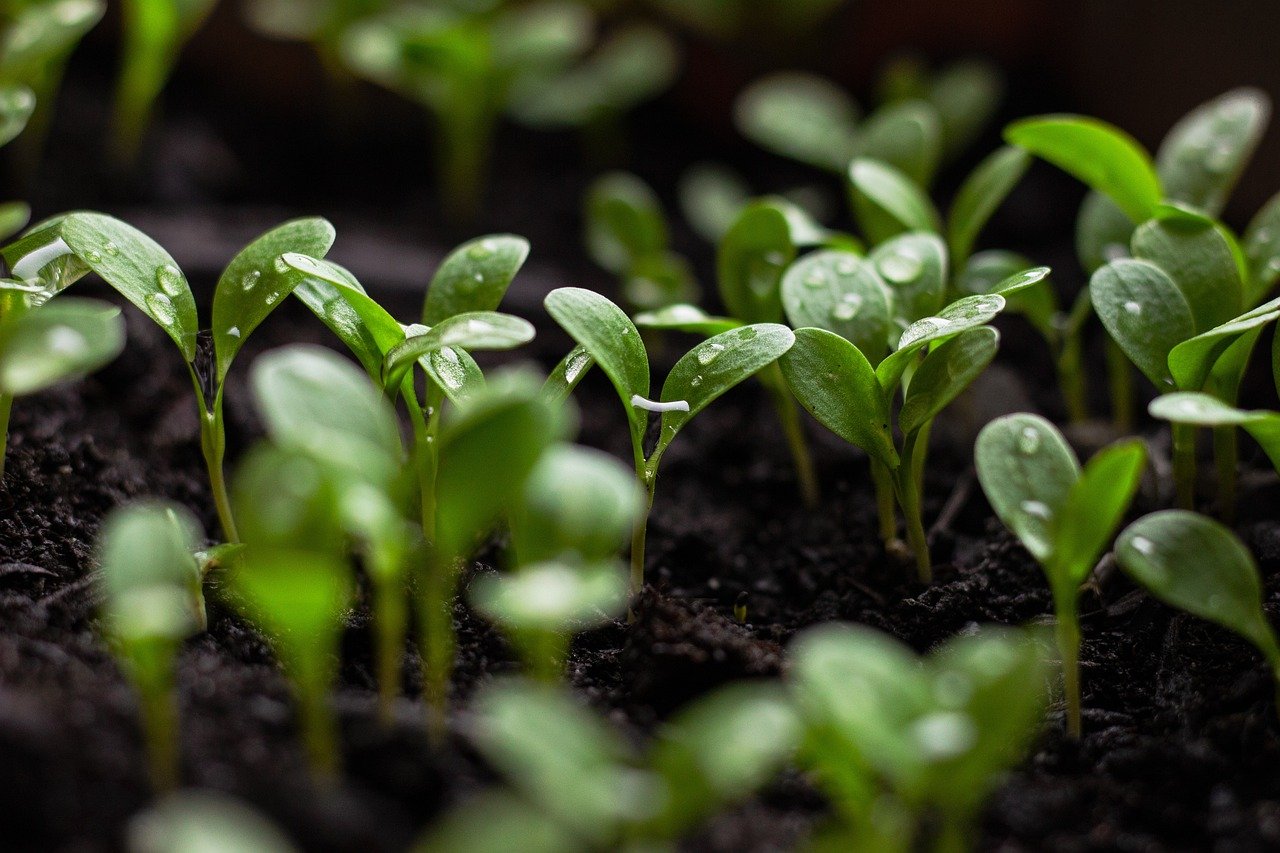
Sustainable agriculture is no longer a choice; it is a necessity for ensuring food security, conserving the environment, and supporting economic growth in the agricultural sector. As the global population continues to rise, sustainable farming practices have emerged as the cornerstone for meeting increasing food demands while safeguarding our natural resources. Oxford Lumina’s Sustainable Agriculture Practices Course is designed to equip learners with innovative techniques and comprehensive knowledge to implement eco-friendly and economically viable farming solutions.
Whether you are a seasoned farmer, an agricultural professional, or an entrepreneur exploring sustainable farming opportunities, this course empowers you with the tools to balance productivity with ecological stewardship.
Why is Sustainable Agriculture Crucial?
The world is grappling with the dual challenge of feeding a growing population and mitigating environmental damage caused by conventional farming methods. Sustainable agriculture provides the solution by integrating practices that enhance soil health, conserve water, and reduce carbon emissions. Here’s why it matters:
- Environmental Conservation: Sustainable farming minimises soil degradation, promotes biodiversity, and reduces the overuse of chemical inputs.
- Economic Viability: By reducing dependency on costly chemicals and optimising resource use, farmers can achieve long-term financial stability.
- Food Security: Sustainable methods ensure consistent crop yields and resilience to climate change, securing food supplies for future generations.
- Community Wellbeing: Practices like organic farming reduce exposure to harmful chemicals, promoting better health for both farmers and consumers.
By adopting sustainable agriculture, farmers not only safeguard the environment but also create a solid foundation for economic and social progress.
Who Should Enrol in Oxford Lumina’s Sustainable Agriculture Course?
Oxford Lumina’s course is tailored for a wide range of individuals passionate about transforming farming practices, including:
- Farmers: Looking to adopt sustainable and eco-friendly farming techniques.
- Agricultural Professionals: Seeking advanced knowledge in sustainable methods to advise farmers effectively.
- Students: Pursuing careers in agriculture, environmental science, or sustainability.
- Entrepreneurs: Exploring opportunities in organic farming, agroforestry, or eco-friendly farming technologies.
Key Learning Outcomes
Participants of the course will gain hands-on expertise and theoretical insights to build a sustainable farming future. By the end of the programme, learners will:
- Master Sustainable Agriculture Principles: Understand the fundamentals of sustainability in farming and how it impacts productivity and the environment.
- Implement Organic Farming Practices: Learn to use natural fertilizers, composting techniques, and biological pest control for healthier crops.
- Optimise Soil and Water Resources: Develop effective strategies for crop rotation, soil fertility management, and water conservation.
- Design Eco-Friendly Farms: Explore innovative farm layouts, polyculture techniques, and agroforestry systems.
- Build Resilience: Create farming systems that can withstand climate change and ensure long-term viability.
Comprehensive Course Modules
The course covers eight carefully crafted modules that provide in-depth knowledge and practical skills for sustainable agriculture.
Module 1: Introduction to Sustainable Agriculture
- Explore the definition and principles of sustainable farming.
- Understand the importance of sustainability in modern agriculture.
- Analyse challenges and opportunities in transitioning to sustainable methods.
Module 2: Organic Farming Techniques
- Learn the basics of organic farming and its environmental benefits.
- Use natural fertilisers like compost and manure for soil enrichment.
- Discover natural pest control methods and their advantages over chemical alternatives.
- Understand the certification process for marketing organic produce.
Module 3: Crop Rotation and Soil Health Management
- Master the science of crop rotation to maintain soil fertility.
- Incorporate legumes and cover crops to enrich soil health naturally.
- Implement soil erosion control techniques to preserve land integrity.
- Learn to conduct soil testing and apply appropriate amendments.
Module 4: Water Conservation Methods
- Understand the importance of water management in agriculture.
- Implement techniques like rainwater harvesting and drip irrigation.
- Manage water resources efficiently to combat water scarcity.
- Learn sustainable practices to reduce water waste in farming operations.
Module 5: Sustainable Pest and Weed Management
- Explore integrated pest management (IPM) strategies to reduce chemical dependency.
- Learn biological methods to control weeds and pests naturally.
- Understand the role of mechanical weed control techniques in sustainable farming.
Module 6: Sustainable Farm Design and Planning
- Design farm layouts that balance productivity with ecological stewardship.
- Discover agroforestry and polyculture systems for diversified farming.
- Build resilient farming systems that adapt to climate change.
- Explore the social and economic benefits of sustainable farm planning.
Module 7: Measuring Sustainability and Certification
- Use tools and indicators to measure farm sustainability.
- Learn about sustainable agriculture certifications and their significance.
- Gain insights into marketing and branding sustainable produce.
Module 8: Case Studies and Practical Applications
- Study successful sustainable agriculture projects from around the world.
- Apply knowledge to hands-on projects, such as designing a sustainable farm plan.
- Explore real-world applications of sustainable practices to improve farm outcomes.
Course Highlights
Oxford Lumina’s course offers a dynamic learning experience with features designed to maximise knowledge and skill acquisition:
- Expert Instruction: Learn from agricultural professionals with years of experience in sustainable farming.
- Hands-On Training: Participate in practical assignments that bridge the gap between theory and real-world application.
- Comprehensive Resources: Access a library of tools, templates, and guides tailored for sustainable farming.
- Global Perspectives: Gain insights into sustainable agriculture practices across diverse regions.
- Capstone Project: Design a complete sustainability plan for a real or simulated farm, showcasing your expertise.
Certification and Career Opportunities
Upon completing the course, participants receive an industry-recognised certification in Sustainable Agriculture Practices. This certification demonstrates proficiency in sustainable farming methods, opening doors to a wide range of career opportunities, including:
- Sustainable Farm Manager: Lead farming operations with a focus on eco-friendly methods.
- Agricultural Consultant: Advise farms and organisations on implementing sustainable practices.
- Organic Farming Entrepreneur: Start and manage your own organic farming business.
- Environmental Policy Advisor: Contribute to policymaking for sustainable agriculture practices.
Why Choose Oxford Lumina?
Oxford Lumina is renowned for offering high-quality, impactful courses that blend theoretical knowledge with practical application. Here’s why learners trust us:
- Comprehensive Curriculum: Covering all aspects of sustainable agriculture, from soil health to marketing sustainable produce.
- Experienced Instructors: Learn from professionals who bring real-world expertise to the classroom.
- Flexible Online Learning: Access course materials anytime, anywhere, at your convenience.
- Community of Learners: Connect with peers and professionals passionate about sustainable agriculture.
Join the Movement Towards Sustainable Farming
As the world shifts towards eco-friendly practices, sustainable agriculture is emerging as a vital solution to global challenges. Oxford Lumina’s Sustainable Agriculture Practices Course offers the knowledge, skills, and certification you need to be at the forefront of this transformation.
Take the first step in creating a better future for farming. Enroll today with Oxford Lumina and contribute to a sustainable tomorrow!