
Currently Empty: £0.00


Blog
Soil Science and Fertility Management
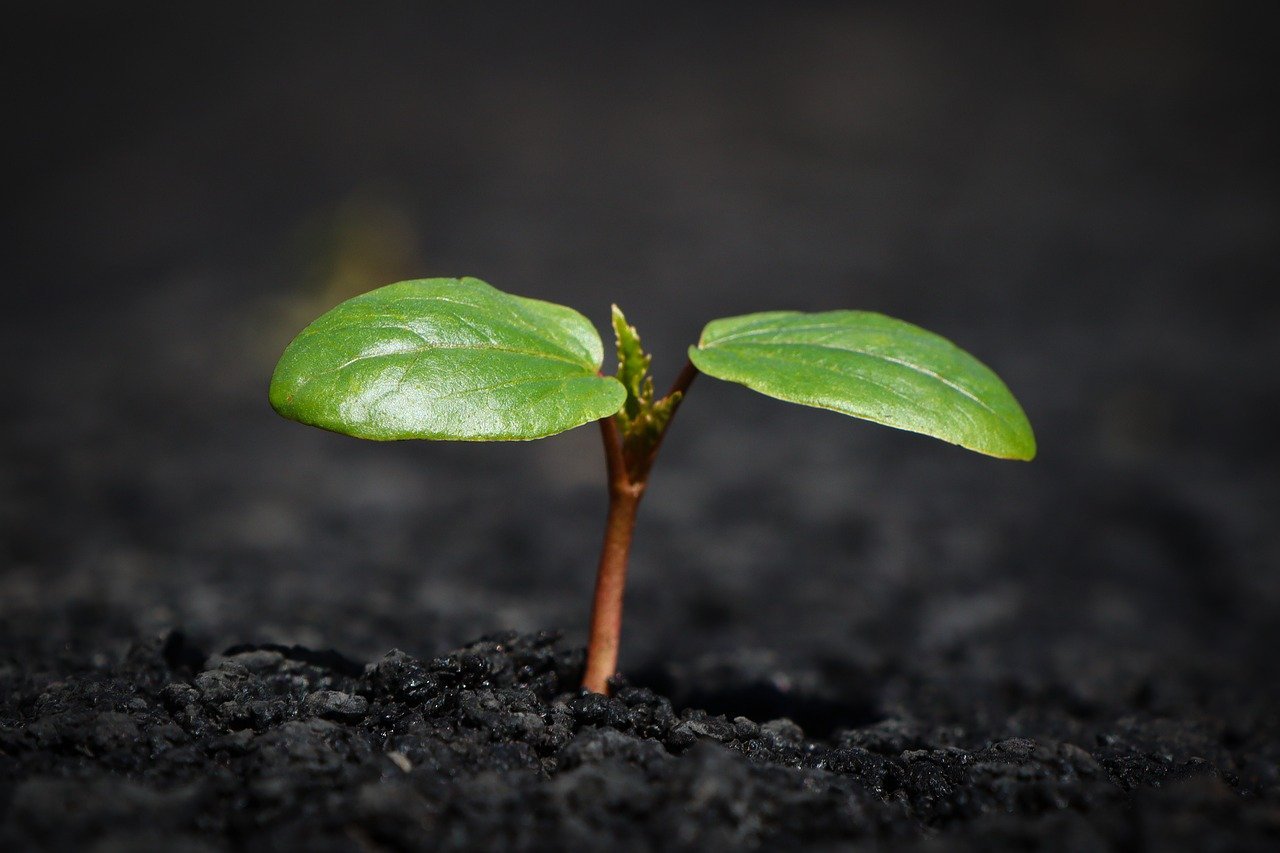
Soil science and fertility management form the backbone of sustainable agriculture, ensuring productive and eco-friendly farming practices. As global food demand increases and environmental challenges escalate, understanding and managing soil health has never been more crucial. Oxford Lumina’s Soil Science and Fertility Management course offers a comprehensive approach to mastering the principles of soil science and applying fertility management strategies to boost crop productivity, reduce environmental impact, and secure long-term sustainability.
The Importance of Soil Science in Agriculture
Soil is far more than a mere growing medium—it is a living ecosystem teeming with microorganisms, organic matter, minerals, and nutrients essential for plant growth. Understanding the composition and dynamics of soil is critical for optimising its productivity.
Key aspects of soil science include:
- Soil Composition: Understanding the balance between mineral particles, organic matter, water, and air.
- Soil Types: From sandy soils to loamy textures, each type has unique characteristics that influence fertility and management practices.
- Microbial Activity: Beneficial microorganisms in soil play a vital role in nutrient cycling, improving plant health and resilience.
Mastering these fundamentals provides a solid foundation for farmers, agronomists, and sustainability advocates to effectively manage soil for both short-term and long-term benefits.
Fertility Management: The Key to Soil Productivity
Fertility management focuses on optimising soil nutrient availability for crops while maintaining environmental balance. This involves:
- Soil Fertility Testing: Regular testing provides insights into nutrient levels, pH balance, and organic matter content, allowing targeted interventions.
- Nutrient Management: A balanced supply of essential nutrients—such as nitrogen (N), phosphorus (P), and potassium (K)—ensures healthy plant growth and improved yields.
- Fertilizer Application: Both natural and synthetic fertilizers play a role in replenishing soil nutrients, with an emphasis on sustainable and efficient application techniques.
Oxford Lumina’s course delves deep into these concepts, equipping participants with the tools to make data-driven decisions for enhanced soil fertility.
Who Should Enroll?
This course is designed for a diverse audience, including:
- Farmers and Landowners: Seeking to improve soil health and enhance productivity.
- Agricultural Professionals: Interested in integrating sustainable practices into their work.
- Environmental Advocates: Focused on promoting regenerative farming techniques.
- Students and Enthusiasts: Eager to learn about soil science and its critical role in agriculture.
Whether you’re a seasoned farmer or new to agriculture, this course offers insights and skills tailored to your needs.
Key Learning Outcomes
Upon completing the course, participants will:
- Understand the fundamental principles of soil science and its importance in agriculture.
- Learn how to conduct soil tests and interpret the results effectively.
- Gain expertise in the application of natural and synthetic fertilizers for optimal soil health.
- Develop skills to prevent soil erosion and implement conservation techniques.
- Acquire long-term strategies for maintaining and enhancing soil fertility.
Course Modules Overview
Module 1: Introduction to Soil Science
This foundational module explores the composition, types, and formation processes of soil. Participants will understand how soil functions as a dynamic ecosystem, supporting plant growth and regulating water and nutrient cycles.
Module 2: Soil Fertility Testing and Assessment
Participants will learn how to collect and test soil samples for pH, nutrient levels, and organic matter. Practical tools and techniques for interpreting soil test results are provided, enabling participants to identify deficiencies and imbalances.
Module 3: Natural and Synthetic Fertilizers
This module examines the role of organic and synthetic fertilizers in soil fertility management. Participants will explore sustainable application methods to reduce environmental impact and maximise crop yields.
Module 4: Nutrient Management Strategies
Balancing nutrient cycles is critical for sustainable farming. This module covers the effective use of fertilizers, including precision application techniques such as fertigation and foliar feeding.
Module 5: Soil Erosion and Conservation Techniques
Participants will learn to identify the causes and impacts of soil erosion. Practical strategies such as contour farming, terracing, and mulching are taught to combat erosion and preserve soil health.
Module 6: Soil Organic Matter and Microbial Activity
Building soil organic matter is essential for fertility and structure. This module explores methods to increase organic matter and enhance microbial activity, fostering a resilient and productive soil ecosystem.
Module 7: Advanced Soil Management Techniques
Emerging technologies, such as precision agriculture and soil mapping, are revolutionising soil management. Participants will gain insights into advanced amendments like biochar and humates and learn to address challenges like soil compaction and pH imbalances.
Module 8: Soil Conservation and Sustainability
This module highlights the principles of sustainable soil management, focusing on maintaining biodiversity, ecosystem services, and long-term productivity.
Module 9: Climate Change and Soil Health
The impact of climate change on soil fertility is a growing concern. Participants will explore adaptive management practices to mitigate degradation and build climate-resilient soils.
Module 10: Practical Soil Fertility and Conservation Management
The final module provides a hands-on approach to implementing soil fertility and conservation strategies. Participants will create customised management plans tailored to their specific farming contexts.
Course Highlights
- Comprehensive Curriculum: Covering every aspect of soil science and fertility management.
- Practical Applications: Real-world case studies and techniques that can be immediately implemented.
- Expert Guidance: Learn from experienced instructors in soil science and sustainable agriculture.
- Sustainability Focus: Gain the skills to balance productivity with environmental stewardship.
- Flexible Learning: Study at your own pace with access to expert support and resources.
Certification
Upon completing the course, participants will earn a Certificate in Soil Science and Fertility Management from Oxford Lumina. This certification validates their expertise in sustainable soil management and opens doors to further opportunities in agriculture and environmental sustainability.
Sustainability and Soil Health: A Path to Resilient Farming
Soil is an invaluable resource, and its management is integral to the future of agriculture and food security. By adopting sustainable practices, farmers and land managers can improve soil health, boost productivity, and mitigate environmental impact.
Oxford Lumina’s course empowers participants with the knowledge and skills to make informed decisions about soil management, fostering both economic viability and ecological harmony.
Whether you aim to enhance your farm’s productivity, contribute to sustainable agricultural practices, or simply deepen your understanding of soil science, this course is your gateway to success.