
Currently Empty: £0.00


Blog
Python for Everybody with Oxford Lumina
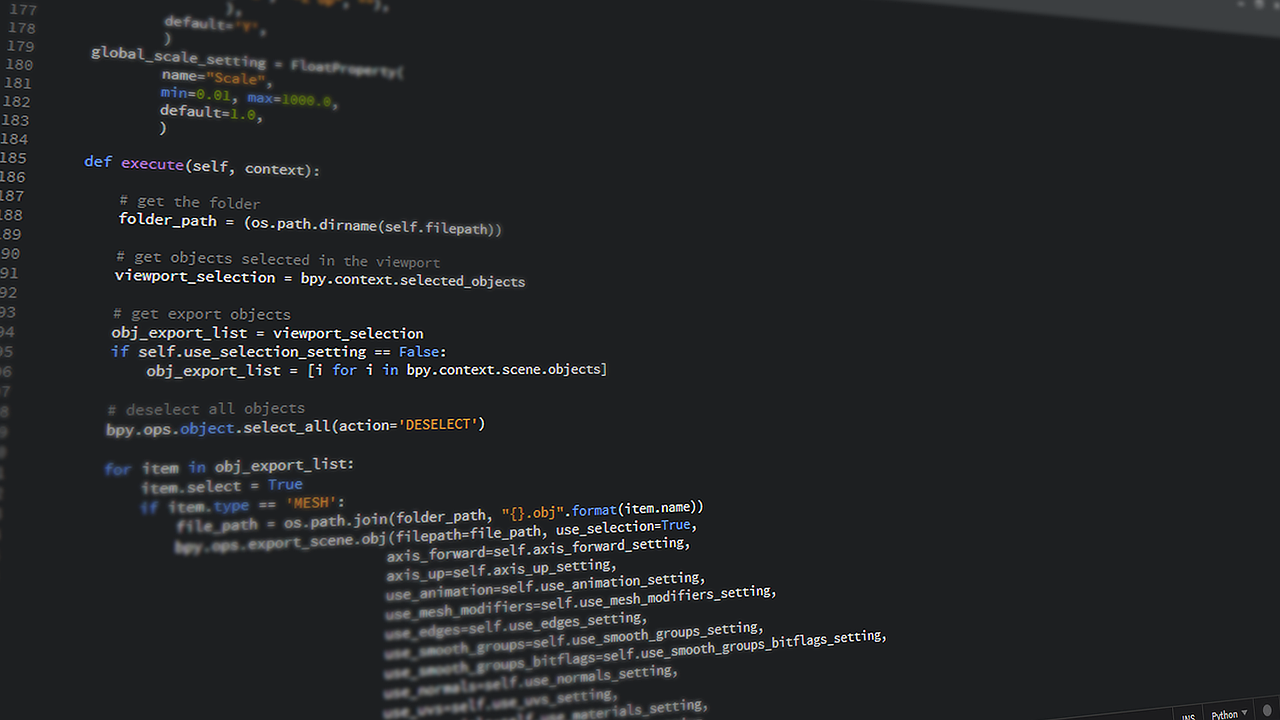
In the ever-evolving world of technology, mastering a versatile programming language like Python can open up endless opportunities. Python has established itself as one of the most popular languages globally due to its simplicity, efficiency, and wide range of applications. For those looking to embark on a programming journey, Oxford Lumina’s Python for Everybody course is the ultimate gateway. This beginner-friendly course offers a structured approach to understanding Python while equipping students with practical skills for real-world applications.
Why Learn Python?
Python is celebrated for its simplicity and readability, making it an ideal choice for beginners and professionals alike. It is widely used across industries for tasks ranging from data analysis and web development to automation and machine learning. Python’s robust ecosystem, featuring powerful libraries like NumPy, Pandas, and Beautiful Soup, ensures developers have the tools to tackle complex problems efficiently.
By enrolling in Oxford Lumina’s Python for Everybody course, you can gain a solid foundation in Python and learn how to apply it effectively in diverse fields, whether you’re aspiring to work in tech, enhance your current skill set, or simply pursue a new hobby.
Comprehensive Course Outline
- Introduction to Python Programming
The course begins by introducing Python, its significance, and its growing role in the tech industry. Students will learn to install Python, set up their development environments, and write their first Python script. Key concepts like variables, operators, and basic data types are covered, ensuring a smooth start for beginners.
Hands-On Exercise: Write a simple Python script to display “Hello, World!” and experiment with basic syntax.
- Mastering Data Types and Variables
Understanding data types is fundamental in programming. This module dives into Python’s primary data types, such as integers, floats, strings, and booleans. Students also explore collections like lists and tuples, which are essential for organising data effectively.
Hands-On Exercise: Create programs that manipulate various data types to solve practical problems.
- Control Flow and Decision Making
Control flow allows programmers to create dynamic and responsive applications. Students will learn to use conditional statements like if, elif, and else, along with logical operators, to make decisions in their code.
Hands-On Exercise: Write a program that responds to user input and performs actions based on specific conditions.
- Iterative Programming with Loops
Repetition is a cornerstone of programming, and Python offers two primary loop types: for and while. This module covers the basics of loops, loop control statements (break, continue), and list comprehensions for efficient iterations.
Hands-On Exercise: Create a Python program to automate repetitive tasks using loops.
- Functions: Modular Programming Simplified
Functions enhance code readability and reusability. Students will learn to define functions, pass arguments, return values, and use lambda functions for quick operations. This module also introduces the concept of scope in programming.
Hands-On Exercise: Develop Python functions to perform everyday calculations and tasks.
- Advanced Collections: Lists, Dictionaries, and Sets
Collections allow developers to manage and manipulate large datasets effectively. This module explores lists, dictionaries, and sets, focusing on their unique capabilities and practical applications.
Hands-On Exercise: Build a program that stores and retrieves user data using dictionaries.
- File Handling for Real-World Applications
Python’s file-handling capabilities enable developers to read, write, and manipulate files seamlessly. This module teaches students how to process text files and handle file-related errors.
Hands-On Exercise: Write a Python script to read data from a file, process it, and save the output to a new file.
- Error Handling and Debugging
Every programmer encounters errors. This module introduces exception handling using try, except, and finally blocks, helping students debug their code and manage unexpected issues effectively.
Hands-On Exercise: Create a program that handles user input errors gracefully.
- Exploring Python Libraries and Modules
Python’s true power lies in its extensive standard library and third-party modules. This module introduces students to popular libraries like NumPy, Pandas, and the OS module, demonstrating how they simplify complex tasks.
Hands-On Exercise: Use Python libraries to perform data analysis and automate tasks.
- Introduction to Object-Oriented Programming (OOP)
OOP is a powerful paradigm that helps developers structure their code. Students will learn the basics of classes, objects, methods, and inheritance in Python, setting the stage for advanced programming concepts.
Hands-On Exercise: Build a simple class-based application to demonstrate OOP principles.
- Web Scraping with Python
Python makes extracting data from websites easy and efficient. This module covers web scraping fundamentals using libraries like Beautiful Soup and requests, enabling students to gather and analyse web-based data.
Hands-On Exercise: Develop a Python script to scrape and process information from a live website.
- Data Analysis Basics
Data analysis is one of Python’s most prominent applications. This module introduces NumPy and Pandas, focusing on data manipulation, cleaning, and basic visualisation techniques.
Hands-On Exercise: Analyse a real-world dataset using Python’s data analysis libraries.
- Final Capstone Project
The course culminates with a capstone project, allowing students to apply everything they’ve learned. Whether it’s creating a web scraper, a data analysis tool, or a text-based game, this project provides an opportunity to showcase their skills.
Hands-On Presentation: Present your project to peers and receive constructive feedback from instructors.
Key Features of the Python for Everybody Course
- Practical Learning Approach: Each module includes interactive exercises to reinforce theoretical concepts with hands-on practice.
- Expert Instruction: Learn from experienced programmers and industry professionals who provide valuable insights and guidance.
- Project-Based Learning: Build real-world applications, including a final capstone project, to solidify your understanding of Python.
- Certification: Receive a recognised certificate upon completing the course, boosting your credentials.
- Lifetime Access: Enjoy unlimited access to course materials, updates, and a vibrant learner community.
Who Should Enroll?
The Python for Everybody course is perfect for:
- Absolute beginners with no prior programming experience.
- Professionals seeking to enhance their skills for career advancement.
- Enthusiasts interested in data analysis, web development, or automation.
Learning Outcomes
By the end of the course, students will:
- Gain proficiency in Python programming and core programming concepts.
- Understand data types, control flow, functions, and file handling.
- Be able to build and deploy Python programs for various real-world applications.
- Have the confidence to explore advanced topics like web development and machine learning.
Take the First Step Towards a Brighter Future
Whether you’re looking to kick start a career in tech, automate repetitive tasks, or simply learn something new, Python is the ideal language to get started. Oxford Lumina’s Python for Everybody course combines comprehensive content, practical exercises, and expert instruction to ensure you achieve your goals.