
Currently Empty: £0.00


Blog
Livestock Farming with Oxford Lumina
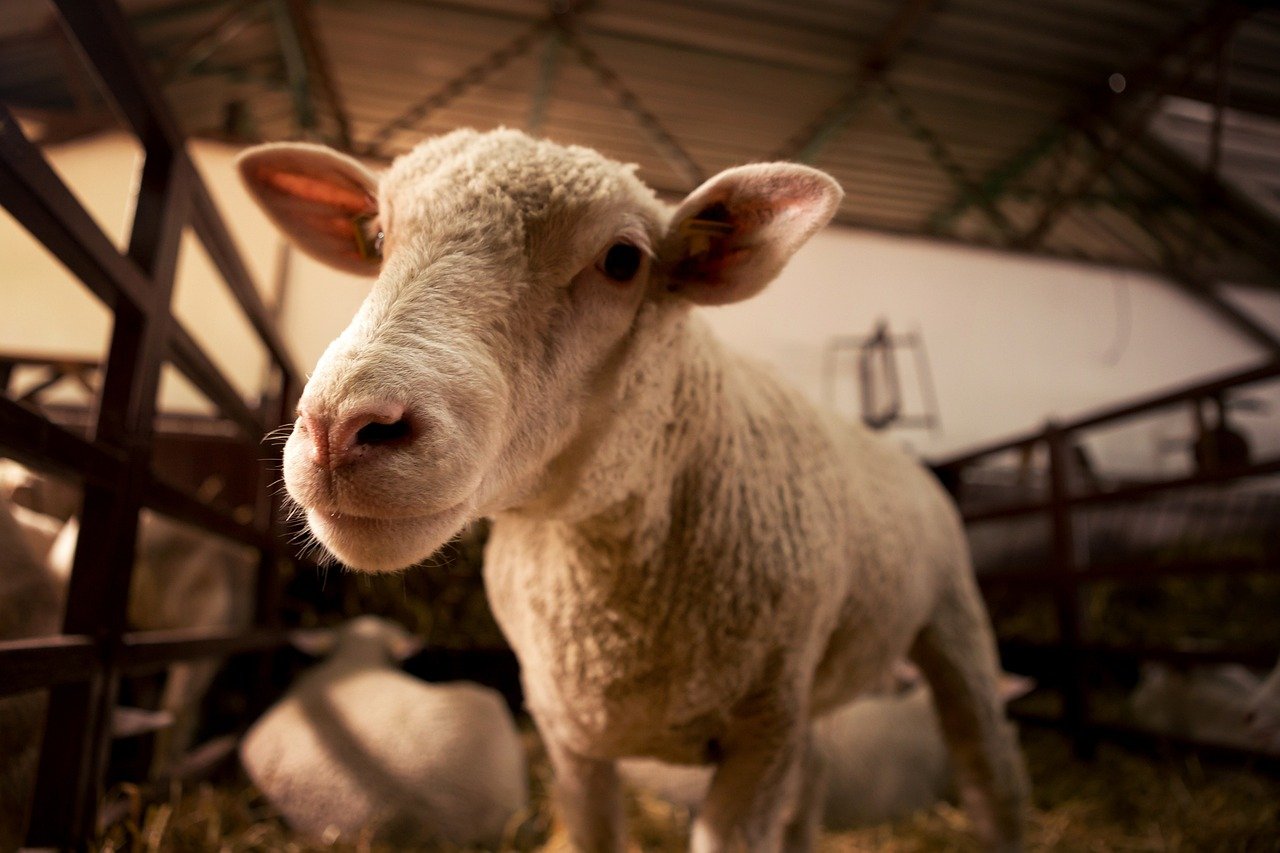
Livestock farming is a cornerstone of global agriculture, supplying essential products like meat, milk, eggs, and wool. As the demand for high-quality animal products grows, efficient and sustainable livestock management practices have become critical. Oxford Lumina’s Livestock Farming Course is a comprehensive programme designed to equip participants with modern techniques in animal husbandry, breeding, disease prevention, and feed management. Whether you’re an aspiring farmer, an agribusiness professional, or an agricultural consultant, this course will provide you with the tools to optimise productivity while maintaining ethical and sustainable practices.
The Importance of Livestock Farming
Livestock farming contributes significantly to global food security and rural livelihoods. Beyond food production, livestock also supports industries such as textiles, pharmaceuticals, and fertilisers. However, with growing challenges such as climate change, disease outbreaks, and resource scarcity, it’s essential to adopt innovative and sustainable livestock farming practices.
Key benefits of efficient livestock farming include:
- Food Security: Providing high-protein food products to meet nutritional needs.
- Economic Growth: Generating income for farmers and creating employment opportunities.
- Sustainability: Promoting environmentally friendly farming practices.
- Resource Utilisation: Converting agricultural by-products into valuable outputs like meat and milk.
Who Should Enroll?
Oxford Lumina’s Livestock Farming Course is designed for individuals passionate about advancing their skills in livestock management. Ideal candidates include:
- Farmers and Ranchers: Seeking to improve animal health and productivity.
- Veterinary Students and Professionals: Expanding their expertise in livestock care.
- Agricultural Consultants: Offering better advice to clients in the farming sector.
- Entrepreneurs: Planning to start or scale a livestock farm.
Key Learning Outcomes
By completing this course, participants will:
- Understand the principles of animal husbandry and welfare.
- Learn advanced breeding practices and genetic improvement techniques.
- Develop strategies for disease prevention and veterinary care.
- Master sustainable feed management and nutrition practices.
- Gain insights into ethical and sustainable livestock farming.
Course Modules
The course is divided into ten detailed modules, covering all critical aspects of livestock farming.
Module 1: Introduction to Livestock Farming
- The role of livestock farming in global agriculture.
- Overview of livestock types: cattle, poultry, swine, and small ruminants.
- Fundamentals of livestock care and management.
Module 2: Animal Husbandry Practices
- Understanding the specific needs of different livestock species.
- Housing, feeding, and handling practices for optimal welfare.
- Developing effective livestock management systems.
- Ethical considerations in animal behaviour and welfare.
Module 3: Breeding Practices and Genetics
- Basics of animal genetics and selective breeding.
- Choosing the right breeding stock for productivity.
- Enhancing genetic traits through advanced reproductive technologies.
- Application of artificial insemination in livestock breeding.
Module 4: Disease Prevention and Veterinary Care
- Identifying and managing common livestock diseases.
- Preventive measures such as vaccinations, deworming, and biosecurity.
- Emergency veterinary care and health management protocols.
- Compliance with livestock disease management regulations.
Module 5: Sustainable Feed Management
- Nutritional requirements of different livestock species.
- Types of feed: concentrates, forages, and supplements.
- Balancing rations for maximum productivity and minimal waste.
- Exploring sustainable feed sourcing and alternative feed options.
Module 6: Animal Health Monitoring and Disease Control
- Detecting early signs of illness in livestock.
- Implementing quarantine protocols for new animals.
- Strengthening biosecurity to prevent disease outbreaks.
- Maintaining herd immunity through proper healthcare practices.
Module 7: Ethical Practices in Livestock Farming
- Adhering to welfare standards in livestock care.
- Humane transportation and handling of animals.
- Ethical breeding and production practices.
- Addressing concerns related to animal rights and sustainability.
Module 8: Record Keeping and Farm Management
- Importance of accurate record keeping in livestock farming.
- Tracking health, breeding, and production data.
- Utilising farm management software for efficiency.
- Financial planning and budgeting for farm operations.
Module 9: Environmental Impact and Sustainability
- Adopting sustainable livestock farming methods.
- Managing waste and reducing farm pollution.
- Pasture management and rotational grazing techniques.
- Mitigating the effects of climate change on livestock farming.
Module 10: Case Studies and Practical Applications
- Real-world examples of successful livestock farms.
- Best practices for managing different types of livestock.
- Hands-on project: Creating a customised livestock management plan.
Course Highlights
Oxford Lumina’s Livestock Farming Course stands out for its comprehensive curriculum and hands-on approach:
- Expert Instruction: Learn from experienced veterinarians and livestock farming professionals.
- Practical Insights: Apply theoretical knowledge through real-world case studies.
- Interactive Learning: Engage with instructors and peers for a collaborative learning experience.
- Flexible Schedule: Study at your convenience with 24/7 access to course materials.
- Recognised Certification: Earn an industry-recognised certificate to enhance your career prospects.
Career Opportunities in Livestock Farming
Upon completing this course, participants can explore various career paths, including:
- Farm Manager: Overseeing livestock operations to maximise efficiency.
- Veterinary Technician: Providing healthcare support to livestock.
- Agricultural Consultant: Advising farmers on best practices for livestock management.
- Entrepreneur: Starting or expanding a livestock farming business.
- Policy Advisor: Contributing to government or NGO initiatives in sustainable agriculture.
Sustainability in Livestock Farming
Sustainable livestock farming not only benefits the environment but also ensures long-term profitability. By adopting practices such as rotational grazing, waste recycling, and efficient feed management, farmers can reduce their ecological footprint while maintaining productivity.
Oxford Lumina’s course places a strong emphasis on sustainability, equipping participants with the tools to balance economic growth with environmental stewardship.
Why Choose Oxford Lumina?
Oxford Lumina is a trusted leader in agricultural education, committed to delivering high-quality courses tailored to the evolving needs of the farming sector. Here’s why learners choose us:
- Comprehensive Curriculum: Covering all facets of livestock farming, from breeding to disease management.
- Real-World Applications: Practical learning ensures participants are job-ready.
- Global Perspective: Insights into livestock farming practices from around the world.
- Flexible Learning: Designed for busy professionals and aspiring farmers alike.
Enroll Today and Transform Your Livestock Farming Practices
Modern livestock farming demands innovative approaches to ensure productivity, animal welfare, and sustainability. Oxford Lumina’s Livestock Farming Course empowers learners with the knowledge and skills needed to excel in this vital sector.
Whether you’re a seasoned farmer or just starting your journey, this course is your gateway to mastering livestock management. Join Oxford Lumina today and take the first step towards a sustainable and successful future in livestock farming!