
Currently Empty: £0.00


Blog
Greenhouse Farming
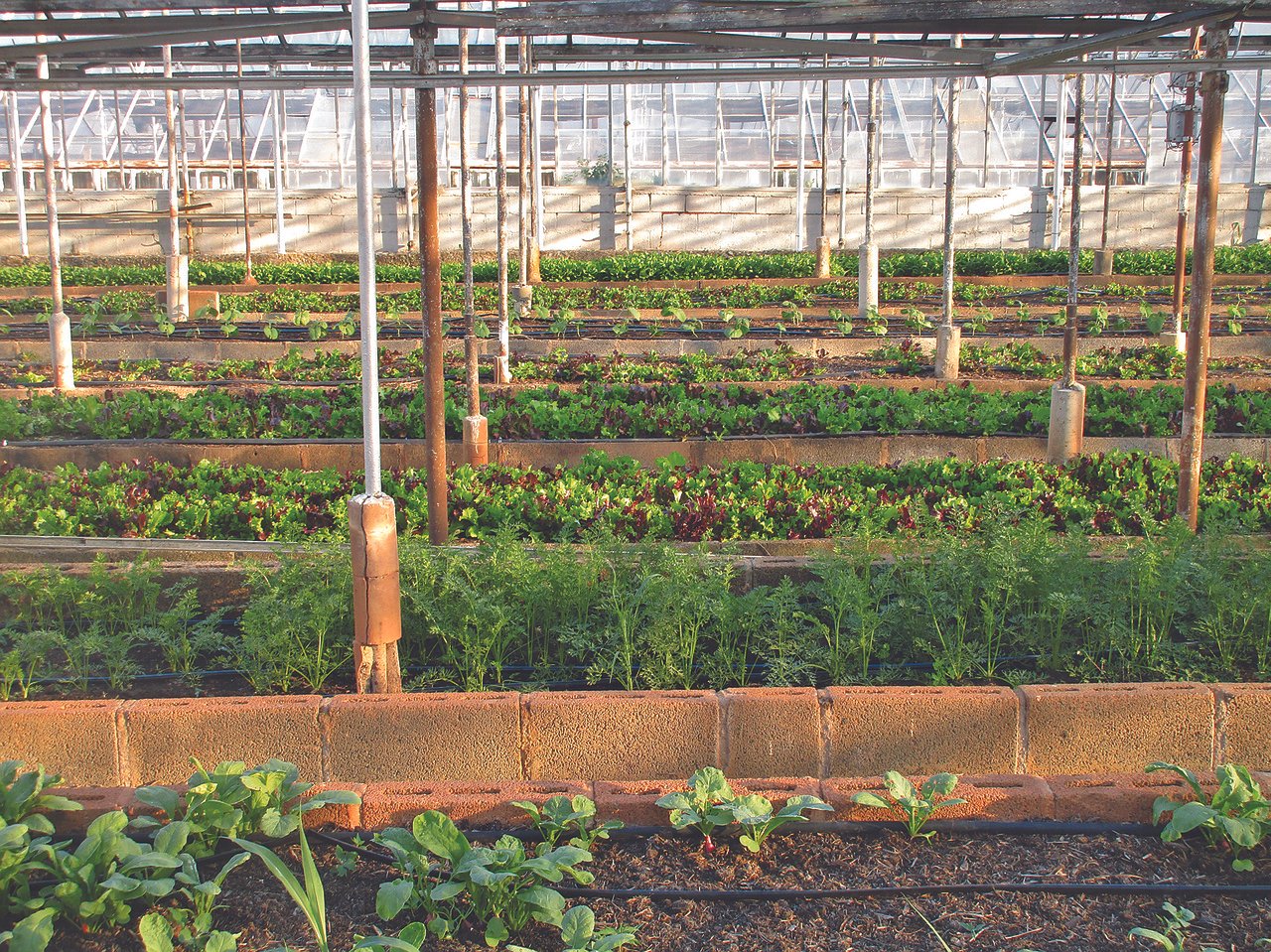
Greenhouse farming, also known as Controlled Environment Agriculture (CEA), has revolutionized the agricultural landscape, enabling farmers to produce high-quality crops efficiently while mitigating the impact of environmental factors. By offering a controlled environment for plants to thrive, greenhouse farming maximizes yields, ensures year-round production, and promotes sustainability.
Oxford Lumina’s Greenhouse Farming Course equips aspiring and professional farmers with the knowledge and tools to succeed in this innovative agricultural practice. Covering advanced techniques like hydroponics, vertical farming, climate control, and pest management, the course empowers participants to implement sustainable solutions and optimise productivity.
What is Greenhouse Farming?
Greenhouse farming involves cultivating crops within a structure that regulates temperature, humidity, light, and other environmental factors. Unlike traditional farming, greenhouse agriculture allows for precise control over conditions, reducing dependency on external weather patterns and ensuring consistent yields.
Key benefits include:
- Year-round cultivation: Grow crops regardless of seasonal changes.
- Resource efficiency: Reduced water and fertiliser usage through advanced systems like hydroponics.
- Sustainability: Lower environmental impact compared to traditional farming practices.
- Improved crop quality: Enhanced control over pests, diseases, and nutrient delivery.
Who Should Consider Greenhouse Farming?
Greenhouse farming appeals to a diverse audience, including:
- Aspiring agricultural entrepreneurs.
- Farmers looking to modernise operations with controlled environment agriculture.
- Horticulturists, agronomists, and crop managers.
- Students and professionals interested in sustainable farming practices.
Core Learning Outcomes
Participants of Oxford Lumina’s Greenhouse Farming course can expect to:
- Master the principles of greenhouse design and climate control.
- Gain expertise in hydroponics and vertical farming for high-efficiency crop production.
- Implement sustainable practices to conserve resources and enhance productivity.
- Develop advanced skills in irrigation, pest management, and crop optimisation.
- Learn effective business and marketing strategies for greenhouse operations.
Key Modules of Oxford Lumina’s Greenhouse Farming Course
Module 1: Introduction to Greenhouse Farming
- Overview of controlled environment agriculture (CEA).
- Key benefits: higher yields, resource efficiency, and reduced environmental impact.
- Types of greenhouse systems and their applications in modern farming.
Module 2: Greenhouse Design and Construction
- Choosing the ideal greenhouse type: glass, polycarbonate, or plastic film.
- Factors to consider: location, size, ventilation, and energy efficiency.
- Structural elements for optimal light, airflow, and climate control.
Module 3: Climate Control for Greenhouses
- Managing temperature, humidity, and light for optimal growth.
- Utilising automated systems for precision climate regulation.
- Benefits of integrating shading, artificial lighting, and light diffusion techniques.
Module 4: Advanced Hydroponics
- Exploring hydroponic systems: nutrient film technique (NFT), aeroponics, and deep water culture (DWC).
- Managing nutrient solutions for plant health.
- How hydroponics reduces water consumption and boosts crop yields.
Module 5: Vertical Farming Techniques
- Space-efficient crop cultivation through multi-layered systems.
- Selecting crops best suited for vertical farming.
- Benefits of high-density production in greenhouses.
Module 6: Irrigation Systems for Greenhouse Efficiency
- Modern irrigation solutions: drip systems, ebb and flow, and misting techniques.
- Integrating irrigation with hydroponic and vertical farming setups.
- Practices for water conservation and recycling.
Module 7: Pest and Disease Management
- Identifying common pests and diseases in controlled environments.
- Integrated pest management (IPM): balancing biological and chemical solutions.
- Using beneficial insects and natural predators for eco-friendly pest control.
Module 8: Crop Management and Yield Optimisation
- Techniques for pruning, trellising, and crop rotation to maximise productivity.
- Nutrient management for hydroponic and soil-based systems.
- Monitoring crop health and preventing plant stress.
Module 9: Sustainable Greenhouse Farming Practices
- Reducing resource usage: energy-efficient systems and organic materials.
- Eco-friendly pest control and organic farming methods.
- Minimising carbon footprints through sustainable design and operations.
Module 10: Business and Marketing for Greenhouse Farming
- Starting a greenhouse business: budgeting, planning, and risk assessment.
- Identifying profitable crops and emerging market trends.
- Marketing strategies: promoting sustainability, organic certification, and direct-to-consumer sales.
Why Choose Oxford Lumina’s Greenhouse Farming Course?
Oxford Lumina stands out for its comprehensive, practical approach to agricultural education. Here’s what makes this course unique:
- Cutting-edge content: Gain insights into the latest greenhouse technologies, from hydroponics to automated climate control systems.
- Hands-on learning: Real-world examples, case studies, and assignments to bridge theory with practice.
- Sustainability focus: Emphasis on eco-friendly methods to ensure long-term environmental impact reduction.
- Expert guidance: Learn from industry-leading professionals and greenhouse specialists.
- Flexible study options: Access high-quality resources at your own pace.
Certification and Career Prospects
Upon completing the course, participants will receive a Certificate in Greenhouse Farming from Oxford Lumina, affirming their expertise in sustainable and efficient farming practices.
This qualification can open doors to numerous opportunities in:
- Commercial greenhouse operations.
- Agritech startups focused on sustainable solutions.
- Consulting for modern farming enterprises.
- Research and development in controlled environment agriculture.
The Future of Greenhouse Farming
As the global population rises and environmental challenges intensify, greenhouse farming offers a sustainable solution to meet food security demands. Emerging technologies like AI-driven automation, block chain for supply chain transparency, and IoT-based monitoring systems are set to further transform the industry.
Oxford Lumina’s Greenhouse Farming course positions participants at the forefront of this agricultural revolution, enabling them to drive innovation and sustainability in farming.
Conclusion
Greenhouse farming represents the future of agriculture, combining advanced technology with sustainable practices to maximise productivity and minimise environmental impact. Oxford Lumina’s Greenhouse Farming course is the ideal platform for anyone eager to master this transformative agricultural method. Whether you’re a budding entrepreneur, an experienced farmer, or an advocate for sustainable practices, this course equips you with the skills and knowledge to thrive in modern agriculture.
Invest in your future and join the movement toward a greener, more productive world with Oxford Lumina.