
Currently Empty: £0.00


Blog
Agroforestry and Permaculture
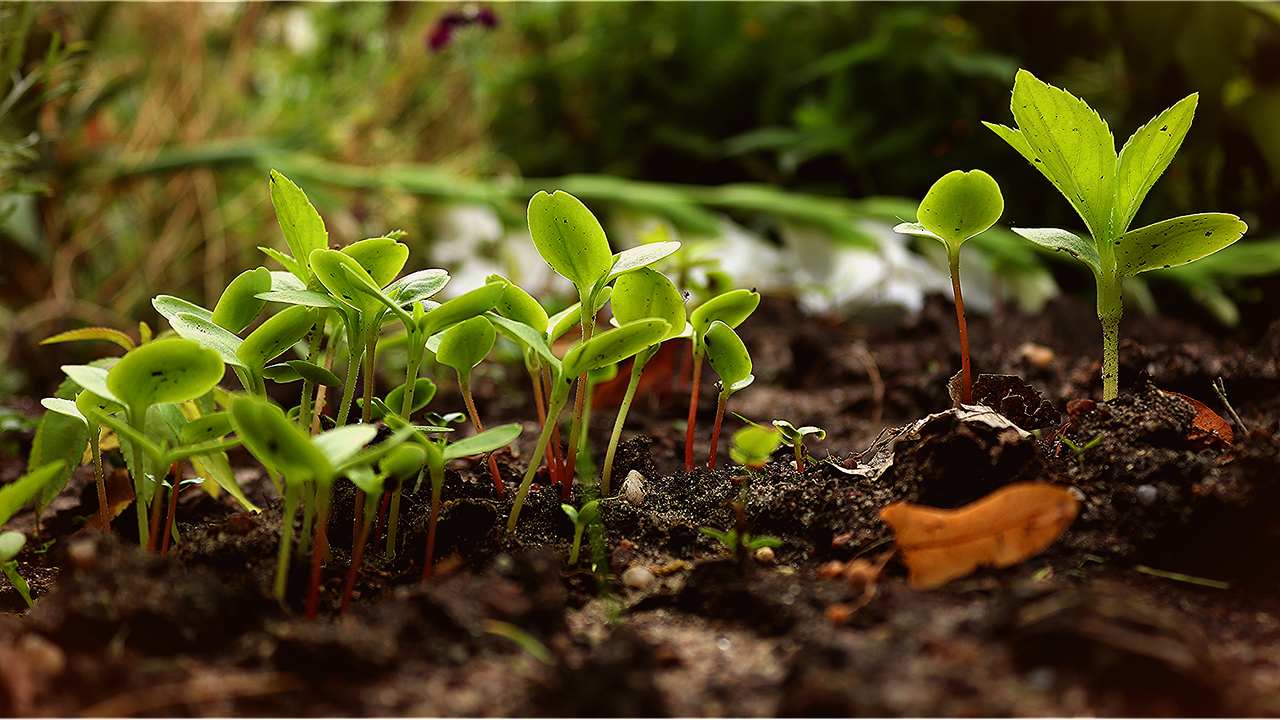
Agroforestry and permaculture are revolutionizing sustainable agriculture by harmonizing ecological principles with modern farming practices. These innovative systems integrate trees, crops, and livestock to create resilient and productive ecosystems that prioritise environmental health and economic sustainability. Oxford Lumina’s Agroforestry and Permaculture course equips individuals with the knowledge and skills to design and manage integrated farming systems.
Whether you’re a farmer, landowner, or sustainability advocate, this course offers a comprehensive guide to implementing practices that enhance biodiversity, improve soil health, and mitigate the impacts of climate change.
What Are Agroforestry and Permaculture?
Agroforestry involves the strategic integration of trees and shrubs into agricultural landscapes, creating systems that work symbiotically to boost productivity and environmental benefits. Permaculture, on the other hand, emphasises designing ecosystems that mimic nature’s resilience and self-sufficiency.
While agroforestry often focuses on specific land-use practices, permaculture applies broader principles of ecological design to optimise energy flow, resource use, and community involvement. Together, these approaches offer practical solutions for sustainable farming.
Why Choose Agroforestry and Permaculture?
Integrating agroforestry and permaculture into farming practices delivers numerous benefits, including:
- Sustainability: Reduced reliance on synthetic inputs like fertilisers and pesticides.
- Biodiversity: Creation of habitats for wildlife, pollinators, and beneficial insects.
- Soil Health: Enhanced fertility through organic matter, nitrogen fixation, and erosion control.
- Climate Resilience: Systems that adapt to droughts, floods, and extreme weather.
- Economic Viability: Diversified income streams from timber, fruits, nuts, and livestock.
Oxford Lumina’s course is tailored to equip participants with practical tools for maximising these benefits while addressing the unique challenges of implementing sustainable practices.
Course Overview
Who Should Enroll?
This course caters to a diverse audience, including:
- Farmers and landowners keen to implement sustainable systems.
- Environmentalists and advocates for regenerative farming.
- Students and professionals interested in ecological agriculture.
- Agricultural consultants and policymakers aiming to promote sustainable land use.
Key Learning Outcomes
By the end of this course, participants will:
- Understand agroforestry and permaculture principles and their applications.
- Learn to design integrated systems combining trees, crops, and livestock.
- Gain expertise in sustainable practices to improve farm productivity and biodiversity.
- Acquire practical knowledge of soil health, water management, and pest control.
- Develop strategies to adapt to climate change and ensure long-term sustainability.
Course Modules
- Introduction to Agroforestry and Permaculture
- Definitions and historical context of agroforestry and permaculture.
- Benefits of integrating trees, crops, and livestock for sustainability.
- Global case studies demonstrating successful implementation.
- Principles of Agroforestry
- Core agroforestry systems: alley cropping, silvopasture, and forest farming.
- Tree species selection for various climatic and soil conditions.
- Enhancing biodiversity and carbon sequestration through tree integration.
- Designing Permaculture Systems
- Permaculture ethics: Earth care, People care, Fair share.
- Zoning and sector analysis for optimal farm design.
- Incorporating energy-efficient water, waste, and resource systems.
- Plant Selection for Integrated Systems
- Layered planting: canopy, understory, ground cover, and roots.
- Strategies for intercropping to maximise yields and minimise pests.
- Supporting pollinators and beneficial insects in your ecosystem.
- Water Management in Agroforestry and Permaculture
- Rainwater harvesting, swales, and ponds for water conservation.
- Role of vegetation in maintaining soil moisture and preventing erosion.
- Practical examples of water management systems worldwide.
- Soil Health and Fertility
- Techniques for enhancing soil fertility: composting, green manure, and mulching.
- Role of mycorrhizal fungi and organic matter in soil regeneration.
- Building resilient soils through agroforestry practices.
- Livestock Integration
- Benefits of incorporating livestock: natural fertilisation and weed control.
- Designing rotational grazing systems to prevent overgrazing.
- Managing the impact of livestock on soil and vegetation.
- Long-Term Sustainability
- Maintaining biodiversity and ecological balance.
- Harvesting and marketing agroforestry products sustainably.
- Adapting systems to changing climatic conditions.
- Climate Change Mitigation
- Agroforestry’s role in carbon sequestration and greenhouse gas reduction.
- Designing resilient systems to withstand droughts, floods, and storms.
- Real-world examples of agroforestry combating climate challenges.
- Implementation Strategies
- Step-by-step guide to starting an agroforestry or permaculture system.
- Overcoming common challenges and scaling up sustainably.
- Examples of successful projects for inspiration.
Course Highlights
- Expert Instruction: Led by seasoned professionals with practical experience.
- Real-World Applications: Includes case studies, exercises, and actionable insights.
- Sustainability Focus: Emphasis on reducing environmental impact while improving productivity.
- Flexible Learning: Access course materials at your own pace.
Certification
Participants will receive a Certificate in Agroforestry and Permaculture from Oxford Lumina upon completing the course. This certification validates their expertise in designing and managing sustainable agricultural systems.
Agroforestry and Permaculture: A Sustainable Future
As the demand for sustainable agriculture grows, agroforestry and permaculture provide a pathway to balance productivity with ecological responsibility. Oxford Lumina’s Agroforestry and Permaculture course is the perfect opportunity to transform your farming practices and contribute to a healthier planet.
By integrating trees, crops, and livestock into a harmonious system, participants can enhance biodiversity, build resilience, and achieve long-term economic and environmental benefits. Whether you’re an experienced farmer or an aspiring sustainability advocate, this course equips you with the tools to make a meaningful impact.
Take the first step towards sustainable farming with Oxford Lumina today!