
Currently Empty: £0.00


Blog
Climate-Smart Agriculture
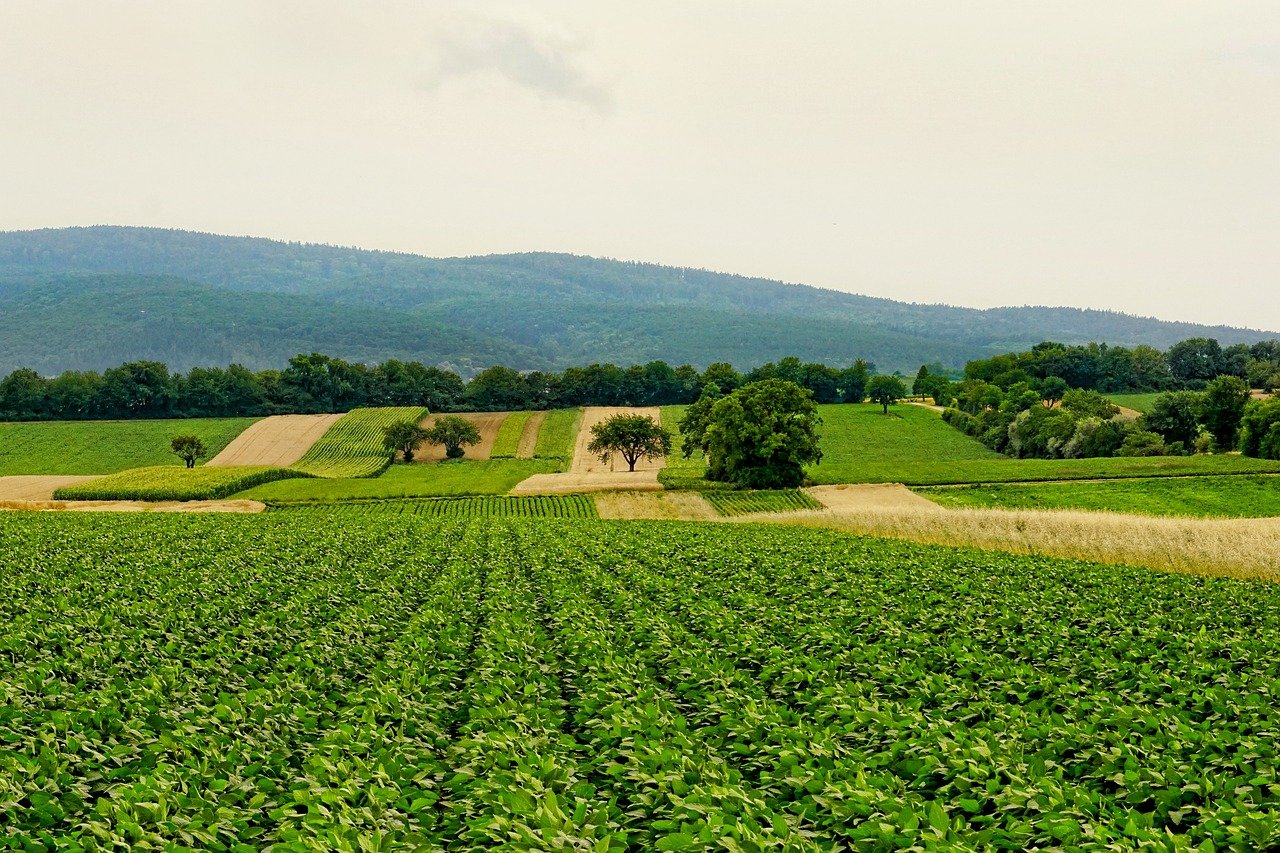
Climate change has become one of the most significant challenges for global agriculture, necessitating innovative solutions to ensure food security, environmental sustainability, and economic viability. Climate-Smart Agriculture (CSA) emerges as a forward-thinking approach designed to integrate sustainable farming practices that not only adapt to changing climatic conditions but also mitigate their adverse impacts. The Oxford Lumina Climate-Smart Agriculture Course is tailored to equip participants with the knowledge and practical skills required to implement CSA principles effectively, enabling a transition towards a resilient and productive agricultural system.
What is Climate-Smart Agriculture?
Climate-Smart Agriculture focuses on three key objectives:
- Improving Productivity: Enhancing agricultural output to meet the growing global food demand.
- Building Resilience: Adapting farming practices to withstand extreme weather and fluctuating climatic conditions.
- Reducing Emissions: Mitigating greenhouse gas emissions through sustainable farming methods.
Oxford Lumina’s comprehensive course delves deep into the science and application of CSA, empowering farmers, agronomists, and policymakers with actionable strategies for sustainable agriculture.
Key Learning Outcomes
By enrolling in this course, participants will:
- Develop a robust understanding of how climate change impacts agricultural systems.
- Learn adaptive strategies to mitigate the effects of extreme weather events, including droughts, floods, and heatwaves.
- Acquire skills in carbon sequestration and sustainable soil management to reduce agriculture’s environmental footprint.
- Understand integrated water and livestock management techniques in a changing climate.
- Explore the role of policy, technology, and financial incentives in promoting climate-smart agriculture.
Target Audience
This course is ideal for:
- Farmers and landowners seeking sustainable solutions for their agricultural practices.
- Environmentalists and agricultural professionals committed to reducing agriculture’s climate impact.
- Policymakers and stakeholders involved in climate adaptation and agricultural development.
- Students, researchers, and enthusiasts interested in cutting-edge sustainable farming methods.
Course Modules
Module 1: Introduction to Climate-Smart Agriculture
- Defining CSA and its global importance.
- Understanding the interplay between climate change and agriculture.
- Core principles and objectives of CSA.
- Global success stories and the impact of CSA on food security.
Module 2: Adapting Farming Practices to Climate Change
- Assessing the effects of shifting weather patterns on crops and livestock.
- Practical approaches to crop diversification and climate-resilient varieties.
- Water management techniques, including rainwater harvesting and efficient irrigation systems.
- Soil conservation strategies to combat erosion and maintain fertility.
Module 3: Carbon Sequestration in Agriculture
- The science behind carbon sequestration and its role in climate mitigation.
- Techniques for enhancing soil carbon storage, such as agroforestry and cover cropping.
- Transitioning to organic and regenerative farming methods.
- The economic potential of carbon credits for sustainable agriculture.
Module 4: Mitigating the Impact of Extreme Weather Events
- Preparing for and managing floods, droughts, and storms on farms.
- Infrastructure-based resilience strategies: shelterbelts, greenhouses, and drainage systems.
- Leveraging early warning systems and climate data for proactive farm management.
- Developing disaster preparedness plans tailored to local climatic conditions.
Module 5: Sustainable Water Management
- Adapting water conservation techniques to address scarcity and excess.
- Advanced irrigation systems: drip, sprinkler, and sensor-based technologies.
- The role of wetlands and natural ecosystems in water management.
- Ensuring sustainable water use for long-term agricultural viability.
Module 6: Climate-Smart Livestock Management
- Selecting resilient livestock breeds suitable for evolving climates.
- Managing feed, grazing, and housing systems to reduce climate impact.
- Ensuring animal welfare under extreme temperature variations.
- Reducing greenhouse gas emissions in livestock farming.
Module 7: Climate-Smart Crop Management
- Identifying and cultivating drought-tolerant and pest-resistant crops.
- Integrating crop rotation and intercropping to improve resilience and biodiversity.
- Implementing pest management strategies tailored to changing climatic conditions.
- Enhancing soil fertility through innovative techniques like biochar and composting.
Module 8: Integrated Climate-Smart Approaches
- Combining agroforestry, permaculture, and ecosystem-based practices.
- Holistic farm management for greater resilience and productivity.
- Exploring the role of digital tools and technologies in CSA.
- Creating multi-functional landscapes to support biodiversity and ecosystem services.
Module 9: Policy and Economic Incentives
- Understanding government policies and frameworks promoting CSA.
- Accessing grants, subsidies, and climate adaptation funding.
- Exploring market opportunities and financial benefits of adopting CSA practices.
- Developing sustainable business models for climate-smart farming.
Module 10: Implementing Climate-Smart Agriculture
- Step-by-step guidance on transitioning to CSA.
- Building a climate-resilient farm plan based on risk assessments and local needs.
- Monitoring and evaluating the success of CSA strategies over time.
- Real-world case studies showcasing successful implementation of CSA practices.
Why Choose Oxford Lumina’s CSA Course?
Oxford Lumina’s Climate-Smart Agriculture Course offers a well-rounded curriculum, combining theoretical insights with practical applications. Participants will benefit from:
- Expert Guidance: Learn from leading professionals in agriculture and climate science.
- Comprehensive Resources: Access a wealth of tools, case studies, and support materials.
- Flexible Learning: Study at your convenience with self-paced modules.
- Global Perspective: Explore CSA techniques and success stories from diverse agricultural contexts.
Upon completing the course, participants will earn a Certificate in Climate-Smart Agriculture, validating their expertise and commitment to sustainable farming practices.
The Future of Agriculture
With climate change posing unprecedented challenges, the adoption of climate-smart agriculture is no longer optional—it is essential. By integrating adaptive farming practices, enhancing carbon sequestration, and mitigating environmental risks, CSA ensures the longevity and resilience of agricultural systems worldwide.
The Oxford Lumina Climate-Smart Agriculture Course empowers participants to embrace this transformation, providing them with the tools and strategies needed to create a sustainable agricultural future. Whether you are a farmer, policymaker, or sustainability advocate, this course will prepare you to lead the way in addressing climate challenges and securing global food systems.
Embrace the future of farming with climate-smart agriculture—enroll today and make a lasting impact on your farm, community, and the planet.