
Currently Empty: £0.00


Blog
Modern Irrigation Systems with Oxford Lumina
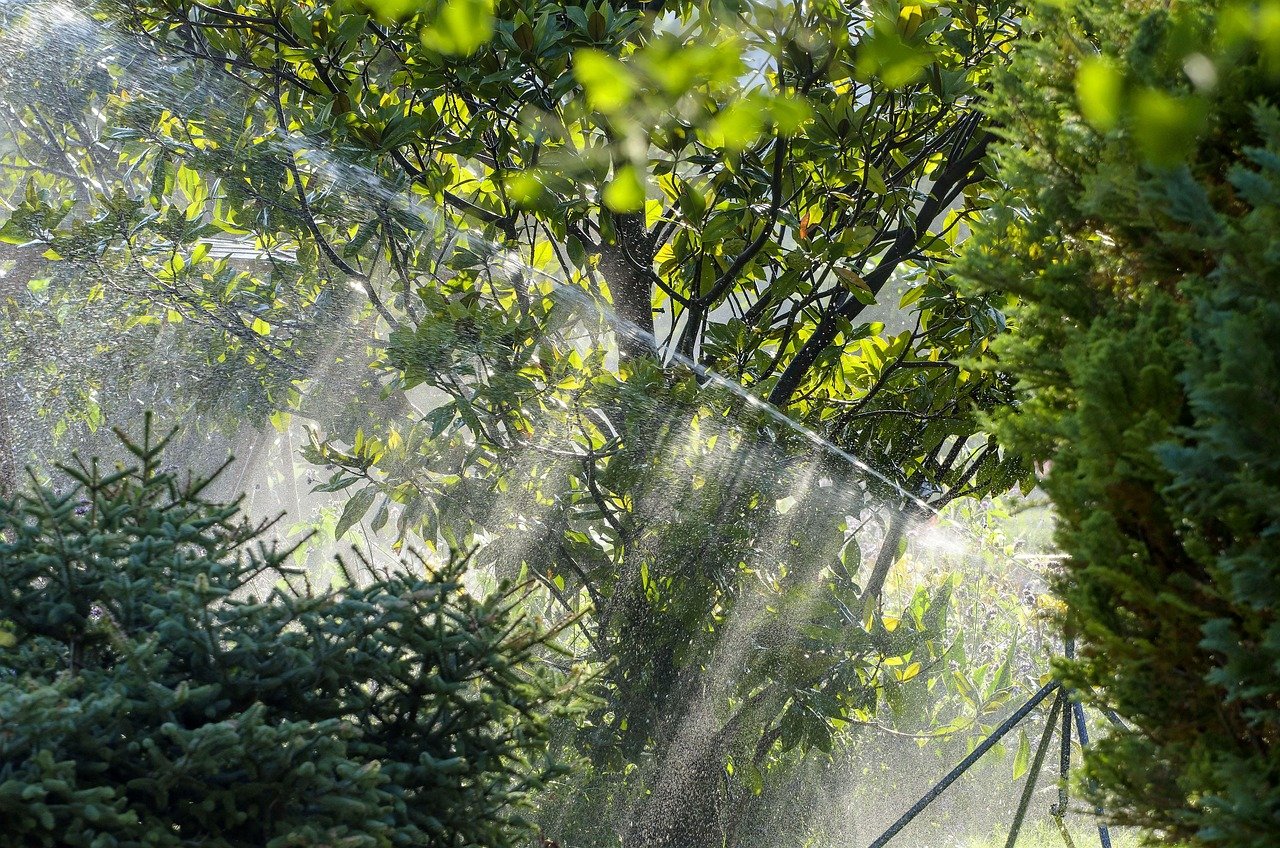
Efficient water management is vital to modern agriculture, where every drop counts. Modern irrigation systems are transforming farming by ensuring optimal water usage, enhancing crop yields, and reducing wastage. Oxford Lumina’s Modern Irrigation Systems Course is meticulously designed to equip learners with cutting-edge techniques and technologies that revolutionise irrigation practices.
From understanding the fundamentals of drip and sprinkler systems to leveraging smart irrigation powered by IoT and AI, this course offers a comprehensive foundation for sustainable water management in farming.
The Importance of Modern Irrigation Systems
Irrigation has been an integral part of agriculture for centuries, yet the challenges of climate change, water scarcity, and growing food demands necessitate innovative approaches. Traditional irrigation methods often result in water wastage, soil degradation, and uneven crop growth. Modern irrigation systems address these issues by ensuring precise water delivery, optimising resources, and supporting sustainable farming.
Key Benefits of Modern Irrigation Systems
- Efficient Water Usage: Modern systems like drip and sprinkler irrigation minimise water wastage by delivering water directly to the plant roots.
- Enhanced Crop Yields: Proper water management ensures consistent moisture levels, leading to healthier crops and higher productivity.
- Reduced Environmental Impact: Technologies like rainwater harvesting and smart irrigation conserve water resources and reduce over-reliance on groundwater.
- Cost-Effective Farming: By optimising water usage, farmers can lower operational costs while maintaining high yields.
By adopting modern irrigation techniques, farmers can achieve sustainable agricultural practices while addressing global food security challenges.
Who Should Enrol in the Course?
Oxford Lumina’s Modern Irrigation Systems Course is ideal for individuals passionate about advancing agricultural practices, including:
- Farmers and Agricultural Professionals: Looking to modernise their irrigation practices and maximise water efficiency.
- Agricultural Engineers and Consultants: Interested in designing and implementing innovative irrigation systems.
- Students and Researchers: Pursuing careers in agricultural sciences or water management.
- Entrepreneurs: Exploring opportunities in agritech solutions and irrigation innovations.
Key Learning Outcomes
Participants will gain the expertise to transform water management in farming. By the end of the course, learners will:
- Understand the principles and benefits of modern irrigation systems.
- Design and implement drip and sprinkler irrigation systems for diverse crops.
- Leverage smart irrigation technologies, including IoT and AI, for precision farming.
- Develop water conservation strategies for sustainable agriculture.
- Create customised irrigation plans tailored to specific agricultural needs.
Comprehensive Course Modules
The course is structured into eight detailed modules, ensuring a well-rounded understanding of modern irrigation systems.
Module 1: Fundamentals of Irrigation Systems
- Explore the history and importance of irrigation in agriculture.
- Understand the differences between traditional and modern irrigation methods.
- Identify key challenges in water management and how modern systems address them.
Module 2: Drip Irrigation Techniques
- Learn the basics of drip irrigation and its advantages for water efficiency.
- Discover the components of a drip irrigation system, including emitters, pipes, and filters.
- Master installation, maintenance, and troubleshooting of drip irrigation setups.
- Explore best practices for maximising crop health and reducing water wastage.
Module 3: Sprinkler Irrigation Techniques
- Gain an overview of sprinkler irrigation systems and their benefits for large-scale farming.
- Understand the different types of sprinkler systems, such as centre pivot, lateral move, and portable systems.
- Learn how to design, operate, and maintain sprinkler irrigation systems.
- Troubleshoot common issues to ensure optimal performance.
Module 4: Efficient Water Management in Farming
- Assess the water requirements of various crops based on soil type and climate.
- Implement soil moisture monitoring techniques to prevent over-irrigation.
- Develop strategies to reduce water wastage and improve irrigation efficiency.
- Adapt irrigation practices to changing climatic conditions.
Module 5: Smart Irrigation Technologies
- Explore the role of smart irrigation in precision farming.
- Understand how IoT, sensors, and AI can optimise irrigation schedules.
- Learn to use weather data and soil sensors for real-time irrigation adjustments.
- Review examples of smart irrigation tools and software transforming agriculture.
Module 6: Sustainable Water Usage and Conservation
- Discover techniques like rainwater harvesting and its integration into irrigation systems.
- Learn about the reuse of treated wastewater in agriculture to conserve resources.
- Balance groundwater usage with recharge strategies to ensure sustainability.
- Understand government policies and incentives promoting water conservation.
Module 7: Case Studies and Real-World Applications
- Analyse successful implementations of modern irrigation systems globally.
- Gain practical insights through field demonstrations and case studies.
- Address challenges in implementing irrigation systems across diverse agricultural settings.
Module 8: Designing an Irrigation Plan
- Conduct comprehensive water resource assessments for farms.
- Select the appropriate irrigation system based on land, crop type, and climate.
- Draft and present a detailed irrigation plan tailored to specific agricultural scenarios.
- Participate in a hands-on capstone project to apply your knowledge effectively.
Course Highlights
Oxford Lumina’s course offers unparalleled learning experiences, combining theoretical knowledge with practical applications.
- Expert Instruction: Learn from experienced irrigation specialists with real-world expertise.
- Hands-On Training: Apply knowledge through practical assignments and projects.
- Cutting-Edge Tools: Explore the latest advancements in smart irrigation and agritech.
- Flexible Learning: Access online modules that fit your schedule and pace.
- Capstone Project: Develop an irrigation plan that demonstrates your skills and understanding.
Certification and Career Opportunities
Upon successful completion of the course, participants will receive an industry-recognised certification in Modern Irrigation Systems. This certification validates your expertise, opening doors to diverse career opportunities, including:
- Irrigation System Designer: Plan and implement efficient irrigation setups for farms.
- Agricultural Consultant: Advise farmers and organisations on water management strategies.
- Agritech Entrepreneur: Innovate and deliver smart irrigation solutions.
- Water Resource Manager: Ensure sustainable water usage in agricultural and environmental projects.
Why Choose Oxford Lumina?
Oxford Lumina stands out as a leader in providing high-quality agricultural courses. Here’s why learners trust us:
- Comprehensive Curriculum: Covering every aspect of modern irrigation systems, from basic techniques to advanced technologies.
- Experienced Instructors: Learn from professionals with hands-on expertise in water management.
- Practical Approach: Gain actionable skills through real-world projects and case studies.
- Global Perspectives: Access insights into irrigation practices and challenges worldwide.
- Flexible Learning Options: Study at your convenience with online, self-paced modules.
Join the Revolution in Water Management
Modern irrigation systems are the key to sustainable farming and efficient resource utilisation. Oxford Lumina’s Modern Irrigation Systems Course equips you with the knowledge, skills, and certification to lead the transformation in agricultural water management.
Take control of your farm’s future, reduce water wastage, and boost productivity. Enroll today with Oxford Lumina and pave the way for a sustainable agricultural revolution!